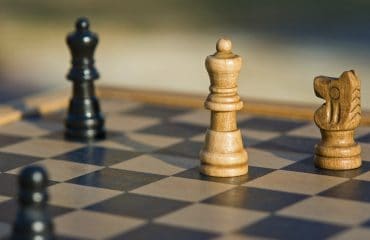
In the intricate game of chess, the king stands as the centerpiece, representing the heart and soul of the player’s army. The rules dictate that the king can never directly capture an opposing king. Instead, the objective is to place the adversary’s king under threat without providing any route for escape—a situation known as checkmate.
Is It Possible for a King to Kill Another King in Chess?
In the world of chess, a king is not equipped to capture an opposing king directly. The game’s essence relies on the continuous presence of both kings on the board. Instead of aiming for capture, players strategize to corner the opponent’s king into a checkmate.
Should you find yourself at a material disadvantage, losing vital pieces and pawns, your adversary gains a significant upper hand. This dominant position allows them to inch closer to your king with intentions of declaring checkmate. A dwindling array of resources often signals a progressive path toward defeat.
It’s imperative, therefore, to strategize meticulously and avoid heedlessly sacrificing valuable assets. Each lost piece amplifies your opponent’s strength and positions them favorably to deliver a checkmate.
Worth noting, the king’s influence extends to the squares surrounding it. As a result, players cannot place their king directly adjacent to their opponent’s king. This spatial rule ensures that a buffer square always separates the two monarchs, making direct capture an impossibility.
What Can Defeat a King in Chess?

In chess, the king is invincible and cannot be captured. It holds its ground on the board throughout the game. While pieces and pawns can place the king in check, the game’s objective is not to capture but to checkmate. A king is declared checkmated if it cannot escape the threat, capture the attacking piece, or use another piece to block the threat.
Conclusion
In chess, the king plays a pivotal role, yet it cannot capture an opposing king directly. Instead, the objective is to corner the opponent’s king into checkmate, making it unable to escape or block the threat. As the game progresses, losing pieces weakens your position, and it’s crucial to avoid reckless sacrifices that empower your adversary. The king’s influence extends to surrounding squares, ensuring a buffer zone between the two monarchs. In chess, victory hinges on checkmate, not capturing the king, making it an invincible symbol of strategy and precision.