Chess epitomizes the amalgamation of strategic prowess, meticulous calculation, and unbridled creativity. Although classical openings have been meticulously dissected and studied over the centuries, they yet harbor spaces where innovation thrives.
One such creative venture is the Colorado Gambit, a vibrant and audacious chess opening leading to riveting games brimming with unforeseen tactical potential.
What Unravels in the Colorado Gambit?
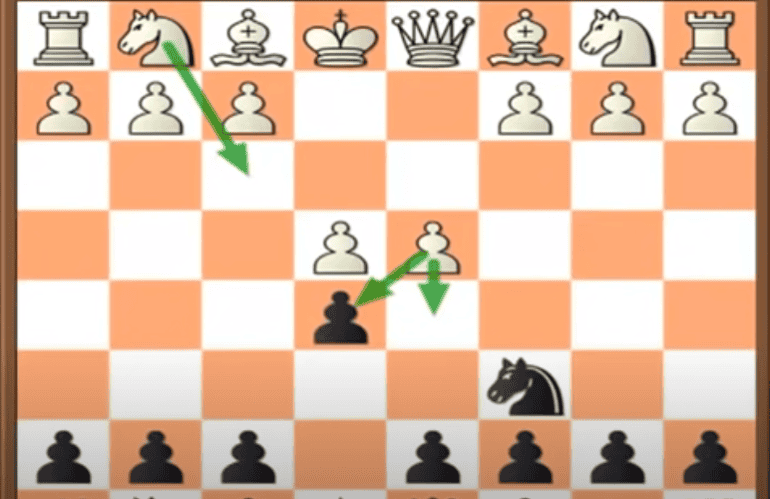
The Colorado Gambit, alternately acknowledged as the Italian Gambit or Cochrane’s Gambit, stems from the Italian Game, an opening sequence commencing with 1.e4 e5 2.Nf3 Nc6 3.Bc4. However, veering from the conventional 4.c3 or 4.d3, the Colorado Gambit strides boldly with 4.Nxe5. This move entails a knight’s sacrifice, unleashing an aggressive offense, aimed at unsettling the opponent and disrupting well-laid plans.
The Excitement of Sacrifice
Central to this gambit is the principle of sacrifice. By relinquishing a knight early in the game, the aim is to seize the initiative and instigate a board imbalance. Such disruption can spiral into chaos in uncharted territories, demanding both players to rely on wit and creativity, rather than memorized sequences.
Evaluating the Colorado Gambit
This enthralling and aggressive opening gambit, characterized by the early-game knight sacrifice, aims to create a dynamic imbalance on the board. Like any chess opening, it carries its advantages and downsides. A detailed examination unfolds:
Advantages:
- Element of Surprise: Its lesser-known status, compared to conventional openings like Ruy Lopez or the Italian Game, can catch opponents off-guard, pushing them out of their comfort zones and inducing errors;
- Dynamic Gameplay: The gambit leads to exciting and unpredictable positions, suitable for those favoring tactical battles and vibrant gameplay. It fosters board imbalances, paving the way for intense and engaging games;
- Development and Initiative: The knight’s sacrifice grants whites accelerated piece development and the upper hand in the initiative. This can exert considerable pressure on the opponent, necessitating precision to fend off the offensive.
Disadvantages:
- Material Sacrifice: The stark downside lies in the knight’s concession in exchange for aggressive gameplay. Should the offense not yield a swift advantage or check, the whites might find themselves materially disadvantaged;
- Complexity: The gambit demands a profound grasp of tactics and keen calculation. Positions arising from the Colorado Gambit can be intricate, requiring precise play. A misstep can precipitate disaster, making it less suitable for those inclined towards straightforward positional chess;
- Preparation: At advanced levels, seasoned opponents may be well-prepared to counter the gambit, having meticulously analyzed the opening and adept at neutralizing the white’s aggressive intentions.
A Bold and Enticing Opening
In summation, the Colorado Gambit emerges as a bold and captivating opening, heralding exhilarating and unpredictable games. Its efficacy hinges significantly on the element of surprise, your tactical acumen, and the opponent’s preparedness level.
Distinguished Matches and Tactical Insight
The annals of chess history are adorned with memorable games featuring the Colorado Gambit. Chess maestros like Henry Edward Bird, triumphant over Wilhelm Steinitz in 1866, showcased its winning potential.
A quintessential strategy of the Colorado Gambit pivots on rapid piece development. Whites aim for central control, opening lines for the queen and bishop, and targeting the f7 square, typically a black vulnerability.
Is the Colorado Gambit Your Move?
The Colorado Gambit isn’t for the faint-hearted. It caters to those craving challenges, tactical spectacles, and unhesitant in embracing material sacrifices. If unpredictable gameplay and exploration of uncharted paths resonate with you, this gambit might augment your opening repertoire impressively.
Final Thoughts
The Colorado Gambit injects excitement and unpredictability into chess, rendering it an intriguing choice for dynamic and inventive players. While less frequent at elite levels, it boasts merits for those appreciative of lively and inventive chess. Mastering this gambit, you’re poised for an exhilarating chess adventure, tactically outsmarting opponents with flair.